
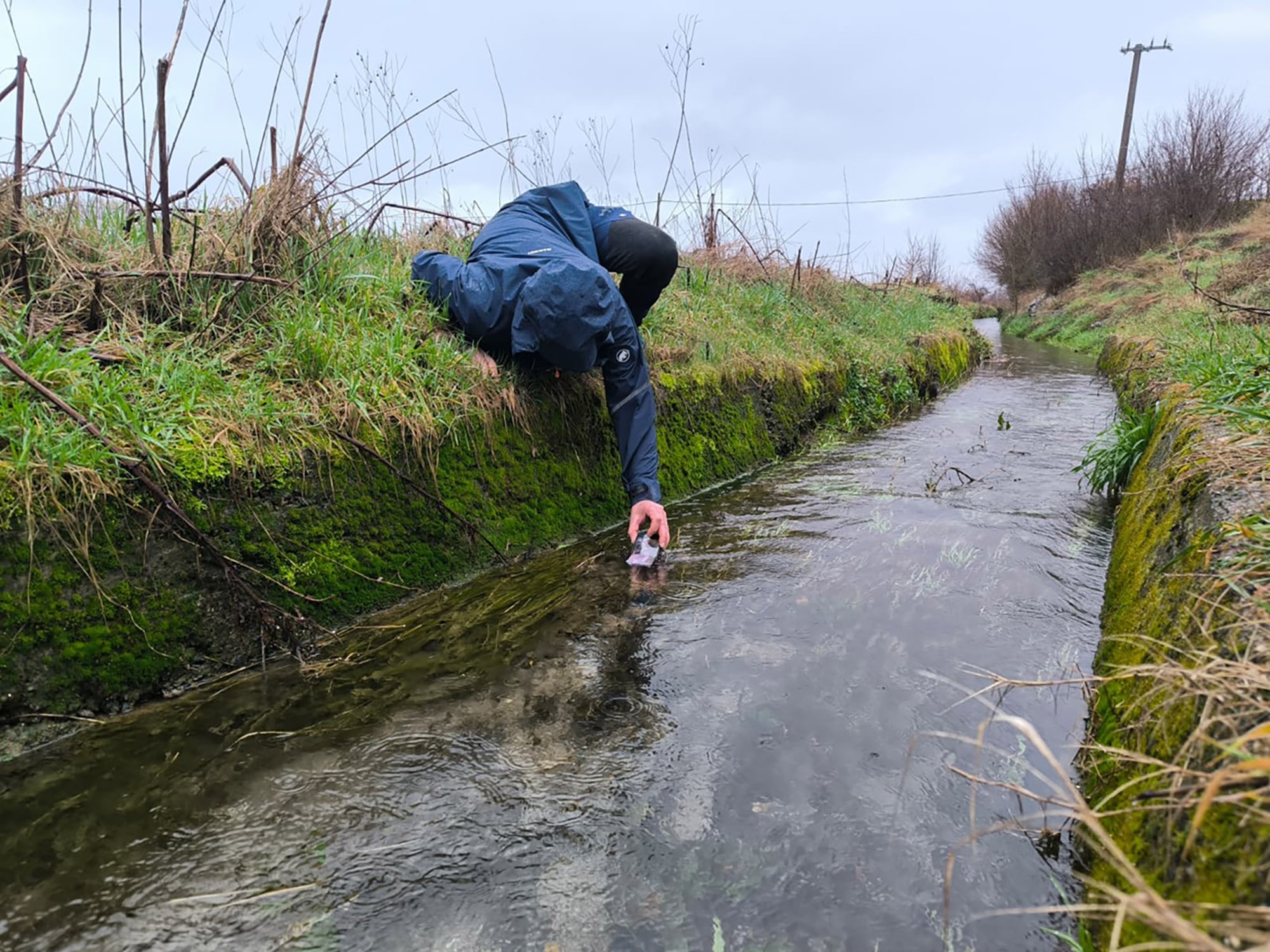

Seventeen extremely rare olm salamanders also known as 'human fish' or 'dragon babies' have been rescued after raging floodwaters washed them out of their underground caves, and they will now remain in permanent care at the only zoo in the world to house the species.
The rescue of the almost never seen amphibians that can live to 100 unfolded in the Cetina region of Split-Dalmatia County, Croatia, in February, with the animals urgently transported to Zagreb Zoo, in the country's capital.
Days of heavy rain triggered a powerful surge of underground water in the Dinaric karst, forcing dozens of Proteus anguinus (blind, cave-dwelling amphibians also known as olm salamanders) out of caves, pits and subterranean lakes and onto the surface.
It is a species found only in the Dinaric region, and it is the biggest animal living in the underground “karst” cave world — surviving in pitch-black subterranean waters where the temperature and conditions stay almost constant.
Experts said that once the intense water pressure ejects the animals from their hidden habitat, they are unable to return on their own.
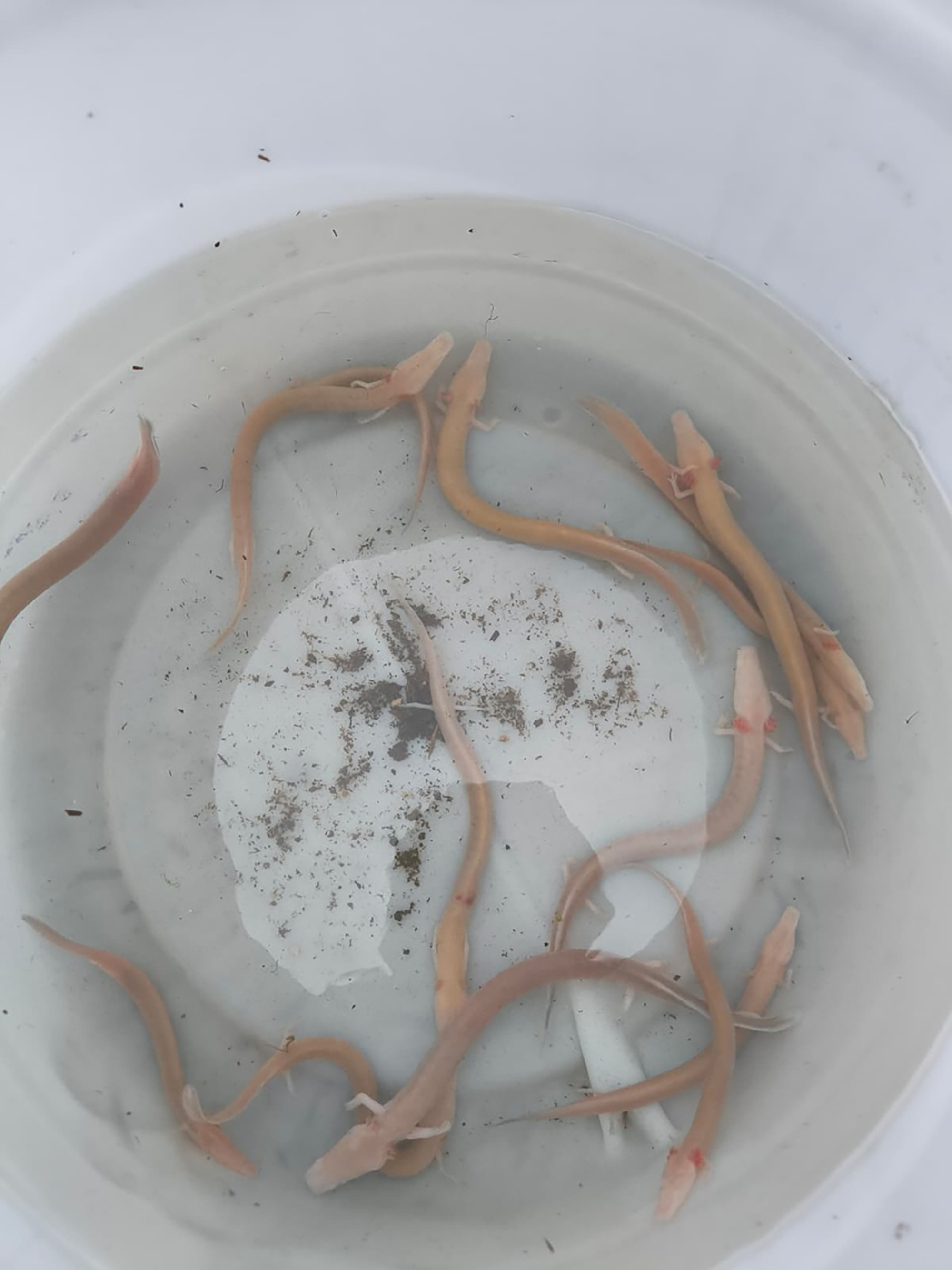
Picture shows the rescued anthropoid fish, undated. They were rescued and taken to Zagreb Zoo, Croatia. Note: Permission obtained. (Javna ustanova More i krs/Newsflash)
Branimir Jukic, geography adviser at the public institution More i krs of Split-Dalmatia County, said: “The pressure forced them to the surface and they can no longer return by themselves.
“The only way for them to survive is to take them to the zoo, because returning them underground would cause permanent damage due to the introduction of bacteria among other individuals.”
Stjepan Mekinic, expert manager at the same institution, warned that exposure to the outside world poses severe risks, including higher temperatures, sunlight and bacterial infections, as their bodies are adapted to the constant, controlled conditions of the underground.
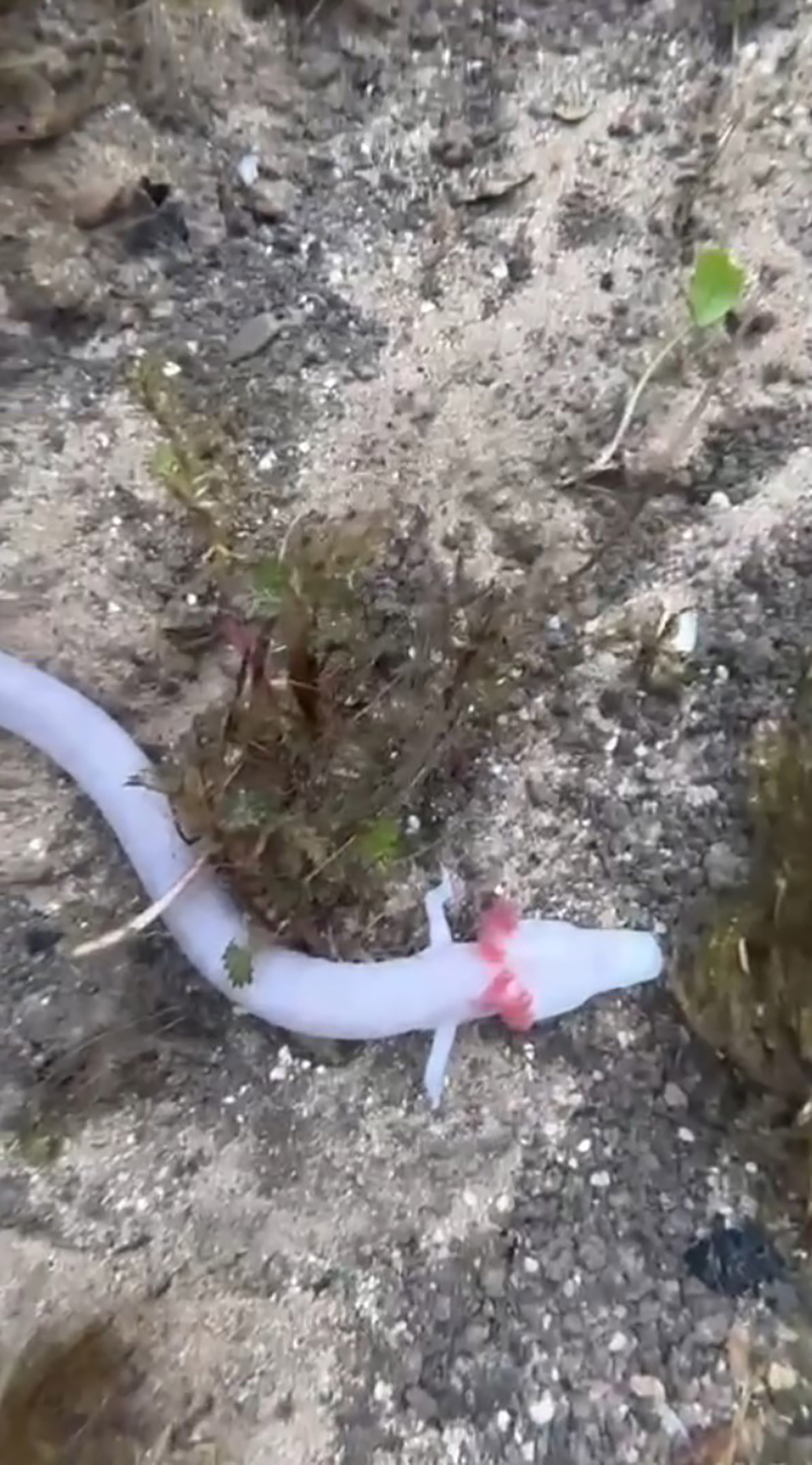
Video shows the anthropoid fish that were rescued, undated. They were rescued and taken to Zagreb Zoo, Croatia. Note: Photo is a screenshot from the video (Javna ustanova More i krs/Newsflash)
Local residents who recognised the strictly protected endemic species alerted authorities, prompting a rapid rescue operation and organised transport to the capital.
Domagoj Lazeta, director of the public institution More i krs of Split-Dalmatia County, said 17 individuals were urgently transferred to Zagreb Zoo and that all survived the journey.
The rescued olms are now being monitored in the recovery facility at Zagreb Zoo, each housed in a separate aquarium under carefully controlled conditions designed to replicate their natural subterranean habitat.
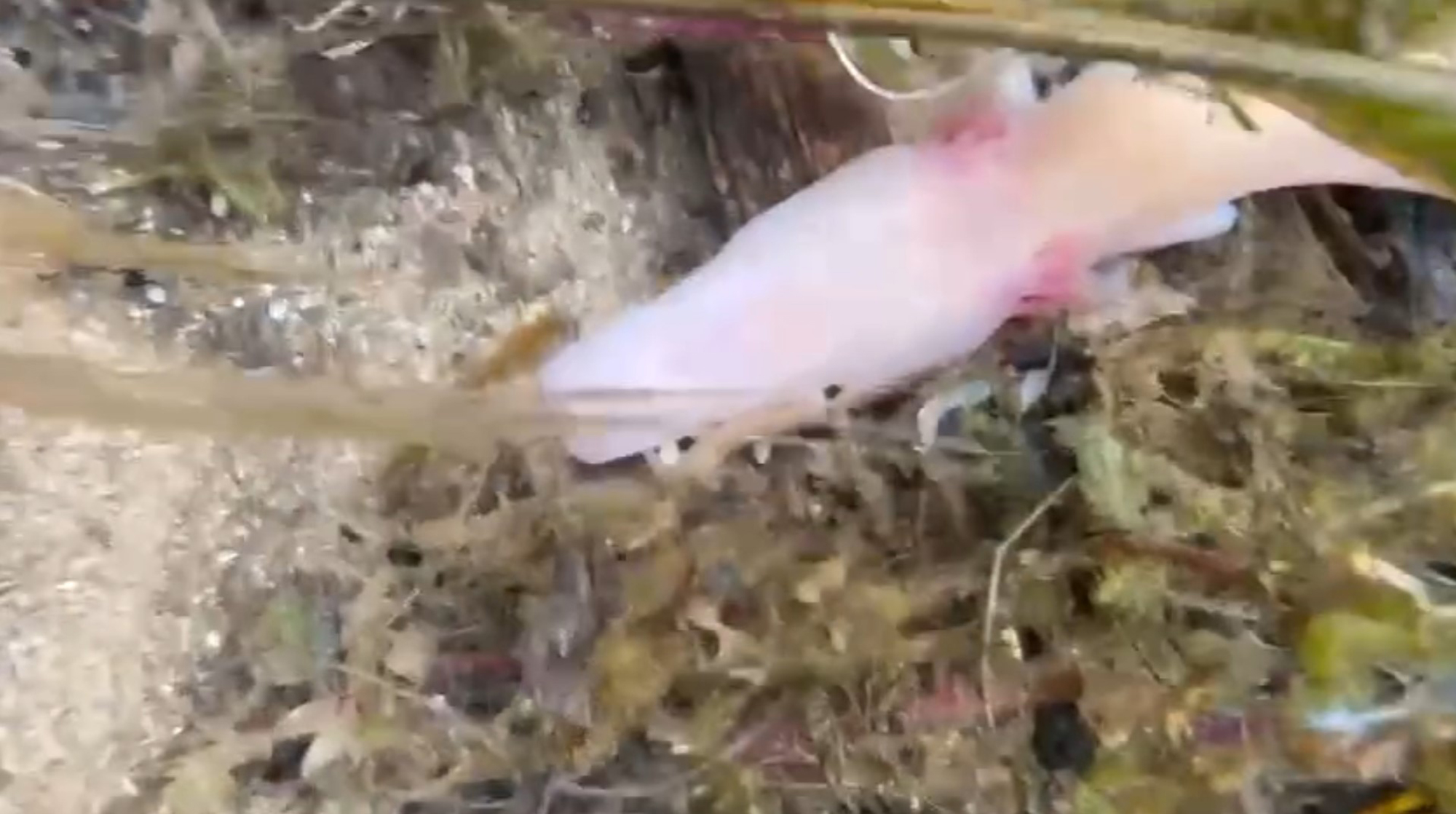
Video shows the anthropoid fish that were rescued, undated. They were rescued and taken to Zagreb Zoo, Croatia. Note: Photo is a screenshot from the video (Javna ustanova More i krs/Newsflash)
Zagreb Zoo director Ivan Cizelj said the animals had suffered minor knocks and cuts but were generally in good condition, describing them as middle-aged and noting that the species can live for many decades, potentially up to 100 years.
Experts confirmed the rescued animals will not be returned to the wild due to the risk of infection and their significantly higher chances of survival in controlled conditions.
Around 15 known sites in Split-Dalmatia County are home to the species, which was first discovered in Croatia in the Cetina region in 1846.
(Aloysius Fernandes /Newsflash)